Japanese Sakura Tree: A Designer’s Review for Apparel
When I first spotted the Japanese Sakura Tree design on Creative Fabrica, I knew it could fill a specific gap in my boutique sweatshirt collection. The product description promises a design that “will stitch out beautifully onto any fabric that needs a stylish, personalized look,” and as someone who builds embroidery product lines for crafters, small clothing brands, and Etsy sellers, I’m always looking for motifs that feel both elevated and easy to wear. This machine embroidery design sits in the Asia category, and its name alone evokes quiet elegance. But does it hold up under the scrutiny of a working embroidery designer? I’m reviewing it with a real apparel collection in mind — a small capsule of cozy tops planned for the upcoming season.
I imagine the Japanese Sakura Tree on a soft oatmeal sweatshirt, a blush hoodie, or even a deep charcoal crewneck. It’s the kind of design that can pull a whole look together without screaming for attention. My goal is to assess its visual personality, stitchability, and practical value for anyone who wants to create finished products that feel intentional and premium.
First Impressions and Visual Personality
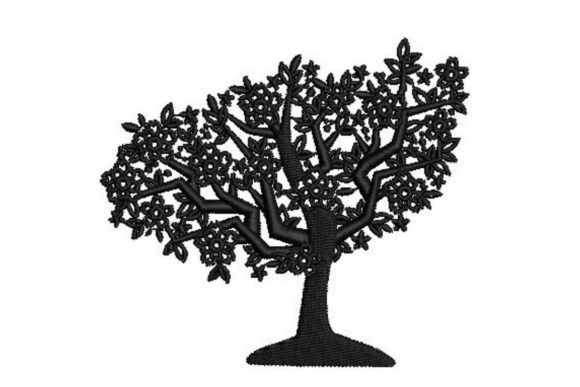
Right away, the Japanese Sakura Tree gives off a delicate, slightly romantic mood. The branches curl with a sense of movement, and the scattered blossoms add a soft, painterly touch. It’s definitely not a minimal line-art tree — there’s a decorative fullness that leans more toward a classic, timeless aesthetic. I’d categorize it as feminine, nature-inspired, and quietly bold. On a blank garment, it would instantly add a layer of storytelling. The silhouette feels organic, so it could work for both trendy streetwear and cozy handmade boutique pieces.
The detail level appears balanced. The blossoms and branch structure have enough definition to read clearly even from a few feet away, but they aren’t so dense that they would overwhelm a small chest placement. There’s a gentle rhythm to the composition — it’s not rigidly symmetrical, which makes it feel more artisanal and less like a mass-produced graphic. If you’re building a brand that relies on soft, nature-inspired visuals, this design can serve as a signature motif.
Stitching Mood and Detail Level
From a stitching perspective, the Japanese Sakura Tree will likely translate into a richly textured embroidery file. The branches will need varying stitch angles to mimic bark, and the blossoms will probably use satin columns or fill stitches with delicate edges. I’m expecting a design that feels substantial but not overly heavy — perfect for midweight fleece and French terry. The mood it creates is gentle and inviting. On a finished product, it would make a sweatshirt feel like a curated piece rather than a basic pullover.
One thing I always watch for is how a design manages tiny details. Petals and thin branches can become problematic if the stitch density is too high or the underlay isn’t optimized. That’s why I’ll stress the importance of testing on scrap fabric first. I don’t know the exact stitch count or file formats included, because the product description doesn’t list them, but I’ll check those details on Creative Fabrica before production. For now, I’m evaluating the visual promise — and it looks strong.
Where Japanese Sakura Tree Shines on Apparel
I’m planning a small sweatshirt and hoodie collection, and I’ve already mentally slotted this design into several spots. Here’s how I see the Japanese Sakura Tree performing across different garment types and placements.
Sweatshirt and Hoodie Chest Placement
This is the most natural fit. A left-chest embroidery of the tree, scaled to about 3.5 to 4 inches wide, will sit beautifully on a raglan sleeve or a classic crewneck. On neutral base colors like cream, sand, or heathered gray, the design will feel organic and elevated. On pastel hoodies — think lilac, sage, or barely pink — it becomes softly romantic. It’s a safe, high-impact placement that works for Etsy listings and boutique product photos.
Back Designs and Oversized Garments
If the embroidery file includes a larger size option, I’d love to place the Japanese Sakura Tree across the back of an oversized hoodie or a denim jacket. The sprawling branches could fill the upper back in a way that looks intentional and artistic. On dark garments, a tonal thread choice — like a dusty rose on charcoal — would keep the design subtle but striking. For a bolder look, contrasting thread (bright cherry blossom pink on black) transforms the piece into a statement item.
Sleeve Accents and Tote Bags
Smaller renderings of the tree could run down a sleeve seam, adding an unexpected detail that catches the eye. For tote bags, the design would work on a canvas or cotton panel, especially if aligned slightly off-center. This versatility makes the Japanese Sakura Tree a smart addition to a digital embroidery collection — you can use it across multiple product types without it feeling repetitive.
Fabric and Garment Considerations
Not every garment is a good canvas for a design with this much detail. I’ll be cautious with highly stretchy ribbed fabrics, because the motif’s curved branches and tiny blossoms could distort if the fabric pulls. For fleece with a deep pile, I’d test first to see if the petals sink into the nap. A medium-weight stabilizer and a sharp needle will be essential. On lightweight t-shirts, I’d scale the design down and use a softer cutaway stabilizer to prevent puckering.
I’d also avoid placing the Japanese Sakura Tree too close to a seam or over a curved pocket. The placement should sit on a flat area to keep the branches from warping. If the design includes dense fill areas, I’ll adjust the stitch density in my embroidery software if possible, or choose a lighter thread weight to keep the fabric soft. For dark garments, I’ll test how the thread colors pop — a slightly brighter blossom shade might be necessary to prevent the design from looking muddy.
Boosting Apparel Value and Brand Identity
When I add a design like the Japanese Sakura Tree to a boutique piece, I’m not just decorating fabric — I’m building a world. A nature-themed embroidery file like this one can elevate a simple sweatshirt into a story-driven product. Customers who buy handmade items from small shops are often looking for that emotional connection. The sakura motif carries associations with renewal, beauty, and quiet strength, which can resonate deeply with certain audiences.
From a branding perspective, this design can help tie a collection together. If I use it on a hoodie, a matching tote, and possibly a small accessory, the visual consistency signals professionalism. It also helps with product recognition — repeat buyers will start to associate the tree with my shop’s aesthetic. This kind of cohesive visual language builds trust and encourages customer engagement, especially on social media where lifestyle product photos perform so well.
Practical Embroidery Designer Notes
Before I commit to stitching the Japanese Sakura Tree on a dozen garments, I run through a standard checklist. Any designer working with a new embroidery file should do the same.
- Test on scrap fabric first. Use a piece of the actual garment fabric if possible. Check how the stitches settle into the texture.
- Choose the right stabilizer. For sweatshirt fleece, I prefer a medium-weight cutaway. For stretchy knits, a fusible mesh can prevent shifting.
- Review thread color contrast. The design’s blossoms might need a thread that’s slightly more vibrant than what appears on screen. I always compare a few thread brands against the actual garment.
- Confirm hoop size. The product description doesn’t specify the required hoop size, so I’ll check the Creative Fabrica product details before purchasing. I need to be sure my machine can handle the largest version I want to use.
- Inspect stitch density. If the design feels too dense, I might reduce the stitch count or use a finer thread to keep the garment soft and wearable.
- Compare placement options. I’ll print a paper template of the tree and pin it to different garments to see how it sits. Sometimes a design looks perfect on a screen but needs a slight rotation or shift on the body.
- Check the license. I always verify the commercial embroidery terms on Creative Fabrica before selling finished products. The description doesn’t detail the license, so I’ll confirm that it allows for small business use.
Final Thoughts Before You Stitch
The Japanese Sakura Tree has the potential to become a quiet hero in a boutique apparel lineup. It’s decorative without being fussy, and its nature-inspired elegance suits the kind of handmade, thoughtfully designed pieces that do well on Etsy and in small brand shops. As an embroidery designer, I’m drawn to motifs that offer a fresh take on a classic theme, and this one delivers a stylish, personalized look exactly as the product description hints.
If you’re building a collection of cozy seasonal outfits, or just want to add a standout sweatshirt embroidery to your shop, this machine embroidery design is worth a close look. Take the time to test, adjust thread colors, and plan your placement carefully. With the right finishing, the Japanese Sakura Tree can help your custom apparel feel more premium, more connected to nature, and ultimately more memorable for your customers.