Craft Fair Success: Why the Best Friends Logo Design Works
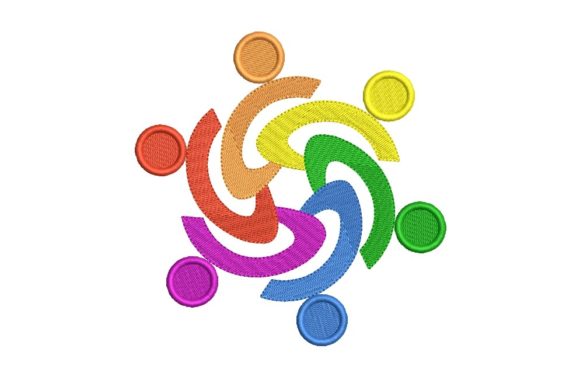
As an embroidery designer preparing for a weekend market, my first step is always to review a new design from a seller’s perspective. How will it perform on the table? Does it have that immediate, grab-and-go appeal? The Best Friends Logo design, described as vibrant and happy, immediately strikes a tone. It feels bold, modern, and decorative—a combination that tends to jump off products and catch a customer’s eye from a few feet away.
First Impressions & Booth Placement
When I imagine my booth display stocked with tote bags, aprons, and pillow covers, I picture where this design would shine. Its vibrant nature suggests it needs a high-visibility spot. It wouldn’t blend into a rustic or farmhouse section; it belongs with the colorful, giftable, and cheerful items. On a busy tea towel or a simple canvas tote, this embroidery file should act as a focal point, not just an accent. That’s crucial for crowded craft fairs where customers make quick, visual decisions.
Product Performance: Where It Stands Out
Let’s walk through the real products. For a craft fair product like an embroidered tote bag, this design’s potential is high. A happy, bold logo on a solid-color market bag instantly elevates it from plain to premium. On aprons, especially solid-colored ones, it becomes a feature that sells the apron as a gift—not just a kitchen tool. For caps, the evaluation shifts: curved surfaces can distort designs. I’d need to test the Best Friends Logo on scrap fabric to see if any tiny details or small lettering lose clarity on that curved, textured surface.
Embroidery patches made from this design could be a standout small shop product. They’re easy to batch produce and offer versatility. However, stitch density is a key check. A very dense design on a patch can feel stiff and less wearable. For pillow covers, the scale matters. This seems like a design that could work beautifully as a central, large motif, adding a decorative and modern touch to home goods.
The Practical Production Checklist
Turning a digital embroidery file into a sellable handmade product requires a practical lens. First, always test on scrap fabric. Use the fabric types you plan to sell on: cotton for tea towels, canvas for totes, twill for caps. Check thread contrast. Vibrant designs often need high-contrast threads on darker fabrics to remain vibrant. Review the actual stitch spacing and density in the file. Are there areas so dense they’ll pucker on a lightweight tea towel without the right stabilizer?
Hoop size is a production driver. If the design is large, it might require a bigger hoop and more time per item, affecting batch production speed. For consistent commercial embroidery, I need to know it can run reliably across multiple items. I also advise every seller to create at least one real mockup before the fair. How does the Best Friends Logo photograph for your Etsy listings and printable mockups? A design that photographs well, with clean lines and good contrast, sells better online and in your booth display photos.
Careful-Use Notes for Specific Items
- Textured Towels: Loop towels or terry cloth require extra stabilizer. A vibrant design can get lost in the texture if stitches aren’t dense enough.
- Dark Fabric: Bright, happy designs demand bright thread. Test color combinations to ensure the “vibrant” promise holds.
- Small Accent Applications: If scaled down for a pouch or small patch, inspect the file. Does it retain clarity? Tiny lettering can become a blurred thread mass.
- Thick Fabrics like Canvas: Stitch density needs to be sufficient to look solid, but not so high it causes needle breaks or excessive production time.
Selling Power & Buyer Engagement
The ultimate question: does this design help sell? The Best Friends Logo taps into the Friends category, which is inherently gift-driven. At a fair, a customer might see it on a tea towel and think, “That’s perfect for my friend.” It adds perceived value. The handmade quality of embroidery already elevates a product; a well-executed, happy design reinforces that it’s special.
For brand consistency, if your booth has a modern, colorful vibe, this design strengthens it. It can become a signature piece that draws attention. In terms of buyer engagement, it’s easy to understand at a glance. Customers don’t need a story explained; the sentiment is clear. That speeds up the selling interaction at a busy market.
Final Pre-Production Steps
- Confirm the commercial licensing terms of the embroidery file before selling any finished products.
- Compare the design on light and dark fabric swatches to finalize your product color palette.
- Run a batch test: embroider the same design on five consecutive tote bags to check for consistency and any production issues.
- Integrate it into your booth display plan: place it on products at different heights and angles to see where it catches the most light and attention.
In summary, the Best Friends Logo embroidery design presents a strong opportunity for craft fair sellers and Etsy sellers. Its vibrant, decorative mood suits a range of products, particularly those aimed at gifting. By methodically testing its application on key items like tote bags, aprons, and towels, and paying close attention to fabric and production details, you can transform this digital asset into a lineup of standout handmade products that not only look good in person but are practical to produce and sell.