Frog in the Garden: Embroidery Design Review for Craft Fair Sellers
Sometimes a design lands on your worktable and immediately sparks a dozen product ideas. That was my reaction when I opened the Frog in the Garden embroidery file. The description promises a cute redwork frog ready to hop into any fabric project, and honestly, it delivers exactly the kind of gentle, nature-inspired charm that handmade shoppers love at a weekend market. As someone who has spent years building a booth inventory of aprons, tea towels, tote bags, and small giftable pouches, I see this design as a versatile staple for anyone selling embroidery-based handmade product lines.
Before you batch out a single stitch, let’s walk through a real-world review. I’m judging this design the way I would before committing to a dozen finished pieces for my own craft fair display. We’ll look at visual appeal, best product pairings, production pitfalls, and the subtle details that make or break a machine embroidery design when it’s sitting on a table under morning light, waiting for a customer to pick it up.
First Look: The Mood and Marketability of This Redwork Frog
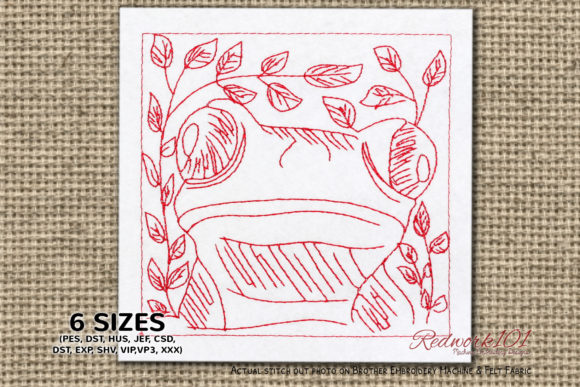
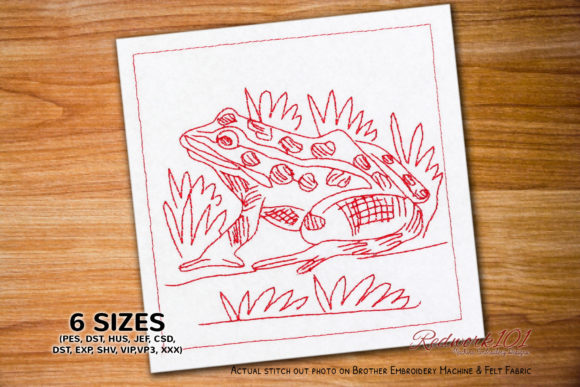
The phrase “redwork” immediately sets a tonal expectation. Redwork is timeless, slightly nostalgic, and reads as handmade even when it’s stitched by a machine. The Frog in the Garden design leans into that tradition with what feels like a soft, storybook illustration. The frog sits in a garden setting, likely surrounded by simple botanical elements, and the description notes the box stitch fill is optional. That little detail tells me a lot. It means the design is essentially a line art piece, which gives you flexibility. You can keep it airy and minimal with a single thread color, or fill in the box stitch areas for a slightly more textured, solid look. Both approaches change the personality of the finished product.
From a craft fair perspective, this design occupies a sweet spot. It’s cute without being childish, and it has a rustic, garden-inspired feel that works beautifully with farmhouse, cottagecore, or nature-themed booth aesthetics. It’s not loud or funny, so it won’t fight with other designs on your table. Instead, it whispers. Customers who pause to look will feel a quiet, nostalgic pull. That’s a powerful selling tool. The frog subject also fits the Reptiles category in a very approachable way, appealing to gardeners, nature lovers, and anyone who loves a bit of whimsy in their kitchen linens.
Where This Design Shines Brightest
I mentally test every embroidery design on a shortlist of products I know sell. Here’s where Frog in the Garden earns its place in your inventory.
Tea Towels and Kitchen Linens
Redwork on a flour sack or linen-blend tea towel is a classic combination that never fails at a handmade market. The single-color stitch reads clearly even on textured fabric, and the garden theme instantly makes buyers think of herb-drying racks, sunlit windowsills, and Saturday morning coffee. A set of two or three towels with this frog design, perhaps paired with a floral or vegetable motif, creates a giftable bundle that sells fast. The optional box stitch adds just enough visual weight to keep the design from feeling too faint on a looping display rack.
Canvas Tote Bags and Market Bags
A frog in the garden is a natural fit for a bag that carries fresh produce or farmers’ market finds. Stitch this design on a sturdy natural canvas tote, and you’ve got a product that tells a story. I’d position it centrally or off-center near the bottom corner, letting the redwork act as a quiet focal point. Because the line art is relatively open, the design won’t make the bag stiff or heavy, which is crucial for a soft, foldable tote. Customers appreciate drape and comfort, and this design preserves both.
Aprons with a Personal Touch
An apron embroidered with Frog in the Garden becomes an instant conversation piece. Imagine a full bib apron in oat or sage linen, with the design placed near the chest pocket or hem. It feels curated, like something you’d find in a specialty kitchen shop. The redwork style keeps the stitching from looking overly commercial, which is a huge advantage when you’re selling the value of handcrafted goods. The garden theme also makes it a lovely gift for a gardening enthusiast who loves to cook.
Small Pouches, Pillow Covers, and Giftable Accents
Don’t overlook the power of a tiny embroidered detail. This frog design, scaled down carefully, can turn a zippered pouch, a fabric coaster set, or a lumbar pillow cover into a charming, low-cost impulse buy. At craft fairs, items under $20 move quickly. A linen pouch with a small redwork frog near the zipper feels intentional and unique. The design’s simplicity allows it to scale down without losing its identity, though you must test small sizes to ensure the frog’s eyes and tiny garden elements don’t blur.
Practical Production Notes for Sellers
Now, let’s talk about the real work: stitching, testing, and preparing this design for a commercial embroidery run. Even the prettiest design can become a source of frustration if you skip these steps.
Hoop Size and Placement Flexibility
The description doesn’t specify exact dimensions, so I strongly recommend checking your hoop size compatibility before you buy. Ideally, this design fits comfortably in a 4x4 or 5x7 hoop, which are common workhorse sizes for small business owners. If it’s larger, you’ll need to plan for a multi-hooping setup or limit it to larger products like full apron fronts. The open nature of redwork means you can often resize within reason, but always test stitch the file at your intended final size. The digital embroidery file should come with clear size information; if it doesn’t, reach out to the designer before purchasing.
Thread Color and Contrast
Redwork traditionally uses a deep, true red, but the design’s mood changes dramatically with color. A soft sage green, warm terracotta, or even a muted navy can shift the entire feel. For a craft fair product, I’d stitch a few samples in different thread colors on the exact fabric you’ll sell. Display the variations together. Customers often buy the same design in multiple colorways when they see them side by side. Always consider how the thread will look against light and dark backgrounds. On dark fabric, a redwork frog might lose its crispness, so test with a high-contrast thread or consider a lighter fabric choice.
Stitch Density and the Optional Box Stitch
The mention of an optional box stitch is a smart design choice. If you stitch the design without the fill, the stitch density remains low, which is gentle on lightweight fabrics and prevents puckering. If you include the box stitch fill, you’ll get a denser, more graphic look, but you’ll need to pay extra attention to stabilizer selection. For tea towels, a tear-away stabilizer might suffice for the line-only version, but the filled version may require a cut-away stabilizer to prevent shifting over time. Always test on scrap fabric that matches your final product weight. An embroidered patch, for example, would benefit from the filled version because it creates a solid surface that holds up to wear and washing.
Fabric Texture and Curved Surfaces
Redwork designs with fine details can disappear into textured towels or nubby linens. If you plan to stitch on a waffle-weave towel or a heavily textured fabric, check how the frog’s delicate lines read. You might need to increase the design size slightly or adjust your thread tension. For caps, the curved surface is a challenge. Frog in the Garden likely works best on a flat or gently curved surface. A cap embroidery might distort the garden elements, so I’d reserve this design for flat items unless you have a cap frame and are willing to run a test stitch. The design’s petiteness could make it tricky to center on a cap’s front panel.
Photographing and Listing for Online Sales
Many of us sell both in person and online. This design photographs beautifully. The redwork’s simplicity means it won’t compete with busy backgrounds. I recommend styling your finished tea towel embroidery or tote bag design with fresh herbs, a wooden spoon, or a small potted plant. The garden theme gives you endless natural styling options. A printable mockup can also help you list products quickly on Etsy or your own website. When you create the listing, use keywords like machine embroidery design, handmade product, garden decor embroidery, and redwork frog to attract the right buyers. Show close-ups of the stitching so customers can see the quality. If you used the box stitch, photograph both versions to show the difference. This helps build trust and reduces return requests.
Booth Display and Customer Engagement
At a busy craft fair, you have seconds to catch a shopper’s eye. Frog in the Garden works as a quiet anchor piece. I’d hang a tea towel or tote bag at eye level near the front of the booth. The red stitching draws the gaze without overwhelming. Because the design is nature-themed, it pairs beautifully with other garden or animal motifs, so you can create a cohesive display of embroidered linens, pouches, and wearable accessories. The frog’s friendly face invites people to step closer. I’ve seen customers pick up a frog tea towel, smile, and then immediately start browsing the rest of the table. That emotional connection is exactly what you want.
Important Checks Before You Produce
Every experienced embroidery seller knows that the difference between a profitable product and a wasted afternoon is in the preparation. Here’s a quick checklist I run through for every new design, including Frog in the Garden:
- Stitch a test sample on the exact fabric and stabilizer you’ll sell. Don’t assume a smooth quilting cotton test will translate to a linen towel.
- Check thread tension and stitch density, especially around the frog’s eyes and any tiny garden details. Small lettering or extremely fine lines can be problematic at reduced sizes.
- Confirm hoop size requirements and ensure your machine can handle the design without constant rehooping.
- Review the embroidery file format. Make sure it’s compatible with your machine. The product description likely lists available formats, but always double-check before purchasing.
- If you intend to sell finished products, verify that the design comes with a commercial embroidery license. Many digital designs are for personal use only. The listing should clarify whether you can sell items you stitch with this design.
- Create at least one real-life mockup and photograph it in natural light. This will be your listing photo and your booth sample.
- Compare different fabric colors. The redwork frog might look stunning on cream, but does it get lost on oatmeal or gray? Test and decide.
One thing I appreciate about this design is its gentle, forgiving nature. Redwork is inherently more tolerant of minor tension inconsistencies than a dense fill design. That means you can stitch it out with confidence, even on a long production day. The optional box stitch gives you a creative choice without adding significant complexity.
Final Thoughts from a Designer’s Perspective
Frog in the Garden is the kind of design that quietly builds a brand. It’s not flashy, but it’s memorable. When a customer sees it on a tote bag design or an apron embroidery, they’ll associate your shop with thoughtful, nature-inspired handmade products. The design offers enough flexibility to appear across a range of items, from embroidered patch experiments to full-sized pillow covers, and it maintains its charm at each scale. The redwork style ensures it won’t date quickly, so you can confidently stock it season after season.
As you prepare for your next market, consider adding this frog to your lineup. Stitch it on a few key items, test your color variations, and watch how shoppers react. I suspect you’ll find that this little garden visitor earns its keep on your table, one smile at a time. And remember, the most successful embroidery products are the ones that feel personal, well-made, and just a little bit magical. Frog in the Garden brings all three.