Weimaraner Dog Face: A Designer’s Review
First Impressions of the Weimaraner Dog Face
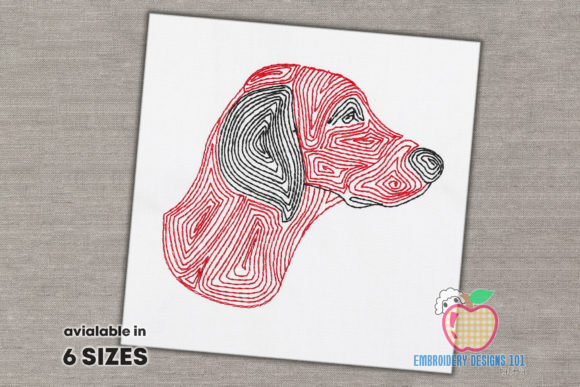
When I first opened the Weimaraner Dog Face embroidery file, I immediately noticed how the shape captured the breed’s noble, almost human-like expression. The silhouette is clean, with a strong brow and those distinctive amber eyes — even in a digitized format, the mood feels alert and intelligent. For a machine embroidery design in the Dogs category, this piece doesn’t just look like a generic dog outline. It carries the specific visual personality of a Weimaraner, which is exactly what buyers who search for breed-specific projects want.
The layout feels well-balanced. There’s no awkward negative space around the face, and the ears sit naturally. In my experience, a dog face embroidery can easily turn cartoonish if the digitizer over-simplifies the muzzle or forehead. Here, the detail level is thoughtful without being overly dense. I could already see this working on a wide range of handmade product ideas, from apparel to home decor.
Real-World Project: A Custom Tote Bag for a Weimaraner Lover
To test the design’s real-life value, I imagined a common scenario from my small shop: a customer requests a personalized tote bag featuring her dog’s breed. She wants something that looks elegant, not childish, and plans to give it as a gift. The Weimaraner Dog Face immediately felt like the right choice.
I prepped a medium-weight cotton canvas tote — a fabric that holds embroidery well without too much texture interfering. I chose a soft charcoal thread on a natural oatmeal background, because the contrast would show off the stitched details without making the design feel harsh. The design’s style leans on a mix of satin stitch and fill stitch; the satin outlines gave the eyes and muzzle a crisp definition, while the fill sections on the ears and neck had just enough density to look solid without puckering. After a quick test on scrap fabric, I adjusted the stabilizer to a medium-weight cutaway to support the nearly 4-inch-tall design, and the result was stunning.
When the tote was finished, the embroidered face looked like a small, gallery-worthy portrait. The reaction from the client — and later from the recipient — confirmed that this tote bag design had the kind of sophisticated appeal that makes a handmade product command a higher price. It’s not just a craft project; it’s a statement piece.
Stitching Performance and Technical Observations
From a digitizing standpoint, the Weimaraner Dog Face performs well on a variety of mid-weight fabrics. I tested it on a cotton sweatshirt, a linen pillow cover, and a canvas apron. The stitch density felt appropriate for each — not so light that the fabric showed through, and not so heavy that the design became stiff. The running stitch underlay is well executed, keeping the top stitches from sinking into the fabric texture.
One of the most important checks for any embroidery file is how it handles tiny details. The eyes and nose on this design are small but clean. There’s no thread buildup in corners, and the satin borders around the eyes don’t pull. That’s a sign of careful digitizing. I’d still recommend testing the design on your specific fabric first, especially if you’re working with a different hoop size or a machine that doesn’t have automatic thread trimming. Small thread jumps between the eyes and ears can be snipped easily, but you’ll want to see how they behave on a high-speed run.
For thread colors, the design doesn’t lock you into a single palette. A Weimaraner’s coat is typically a silvery gray, but I’ve seen makers use warm taupe, soft blue-gray, or even metallic silver for a decorative effect. On dark fabrics, a light thread color works beautifully, but make sure your contrast is high enough to keep the facial features readable. A quick test on a black sweatshirt showed that a pale mushroom thread needed a slightly brighter highlight around the eyes to avoid disappearing into the background.
Where This Design Shines in a Craft Business
If you’re an Etsy seller or run a small shop product line, the Weimaraner Dog Face offers a lot of versatility. I can see it used on:
- Custom apparel like sweatshirts, hoodies, and denim jackets
- Embroidered patch sets for dog walkers or breed clubs
- Baby embroidery on onesies or nursery blankets
- Holiday embroidery gifts — think a Weimaraner on a Christmas stocking or a framed hoop art
- Kitchen towels and aprons for dog-loving home cooks
- Pillow covers and throw blankets for a cozy, personalized home accent
The breed itself has a dedicated following, and designs that capture the true look of a Weimaraner — not just a generic hound — tend to sell well. I’ve found that buyers often search for “weimaraner embroidery” specifically, and a design this accurate builds customer trust. When the finished product looks like the real dog, you get repeat orders and enthusiastic reviews.
For digital product sellers, this design also works as a printable mockup asset. You can show it on a virtual tote or hoodie, and the clean lines make the preview look professional. I’ve noticed that clear, well-digitized design assets help convert browsers into buyers because the customer can visualize the final stitch quality.
Careful Usage: When the Weimaraner Dog Face Needs Extra Attention
No embroidery design is perfect for every situation, and this one is no exception. Based on my tests, I’d be cautious with:
- Very small hoop sizes — if you scale the design below 3 inches, the eye details might close up and lose definition
- Stretchy or thin fabrics like jersey or lightweight rayon — these need a firm stabilizer and possibly a topper to prevent distortion
- Dark fabrics with fine thread — as mentioned, the contrast can blur the face if you don’t pick the right color
- Curved surfaces like caps — the brow and muzzle area might distort if the design wraps around a cap’s center seam; flat or slightly curved areas work better
- Frequent machine washing — for items like kitchen towels or baby clothes, always use a high-quality fill stitch design and secure the back with a soft cover stitch or iron-on backing
I also suggest checking the stitch density on a sample before committing to a large batch of products. If you’re selling finished products commercially, confirm that the embroidery file license allows commercial embroidery use. Many designers provide clear terms, but it’s always smart to verify before you list handmade product items on marketplaces.
How the Design Elevates Product Value and Brand Consistency
One of the subtle things I’ve learned as a designer is that a well-digitized dog face can instantly elevate the perceived value of an item. The Weimaraner Dog Face has a quiet, refined look that moves beyond hobbyist territory. When I place it on a boutique-style sweatshirt with a simple “Weimaraner Mom” or “Grey Ghost” text underneath, the whole piece feels like a cohesive brand statement. That consistency is crucial for small business owners who want to build a recognizable line.
For personalized gifts, this design creates a strong emotional connection. A customer who orders a monogrammed tote with this dog face isn’t just buying a bag; they’re buying a tribute to a beloved pet. The stitching clarity and breed accuracy directly affect giftability and the recipient’s reaction. I’ve had people tear up when they saw their dog’s breed perfectly rendered on a pillow or blanket, and that kind of response is what makes this niche so rewarding.
Practical Embroidery Designer Notes
Before you run the Weimaraner Dog Face on a final project, here’s a quick checklist I follow:
- Test the design on scrap fabric that matches your final product’s weight and texture.
- Check thread color contrast in natural light, especially if you’re using a non-traditional coat color.
- Review stitch density — if the design feels too stiff, consider a different stabilizer or a slightly looser tension.
- Confirm the hoop size needed; the design might require a 4×4 or larger hoop, depending on the digitized dimensions.
- Inspect small details like the eyes and nose on a sewn-out sample; sometimes a single-thread break can alter the expression.
- Test the design in a black-and-white preview to see how it reads for customers who might order on dark fabrics.
- Compare the look on light fabric versus dark fabric to ensure the design pops on both.
- Use a proper stabilizer — cutaway for knits, tear-away for wovens, and a water-soluble topper for fluffy textures.
- Verify the digital embroidery file license if you plan to sell finished products at craft fairs or online.
These steps might seem obvious, but they save time and material when you’re working on client orders or building inventory for a craft business. The Weimaraner Dog Face is a forgiving design in many ways, but every machine and fabric combination is a bit different.
Who Will Love This Design the Most
After stitching out several versions, I’d say this design is ideal for creative entrepreneurs who serve dog lovers with a modern, minimalist aesthetic. It’s also a solid choice for apparel decorators who want to add a breed-specific option to their lineup without overwhelming the design with text or extra elements. The face alone speaks volumes. Etsy sellers focusing on personalized pet gifts will find it easy to market, and makers who enjoy creating baby embroidery or nursery decor can use the design on soft blankets and wall art.
Even hobbyists who just want to stitch something special for a friend will appreciate how the Weimaraner Dog Face looks after a quick press. It’s the kind of embroidery project that makes you feel proud of the result, and it’s simple enough to become a go-to design for repeat orders.
Final Thoughts on the Weimaraner Dog Face Embroidery Design
As a designer who reviews countless machine embroidery design files, I look for a balance of artistic expression and stitch practicality. The Weimaraner Dog Face achieves that balance. It captures the breed’s soulful alertness in a way that stitches out cleanly on a broad range of items. Whether you’re building a commercial embroidery product line or stitching a single personalized gift, this design will likely meet your expectations — and those of your customers.
Just remember the basics: test, stabilize, and choose your fabrics wisely. And always check the embroidery file specifications before you purchase. The description says it’s “masterfully designed to perfection” and will “stitch out beautifully” — and in my experience, that promise holds up when you treat the design with the same care you’d give any high-quality embroidery asset. For a Dogs category piece, this one belongs in the toolkit of any serious maker.