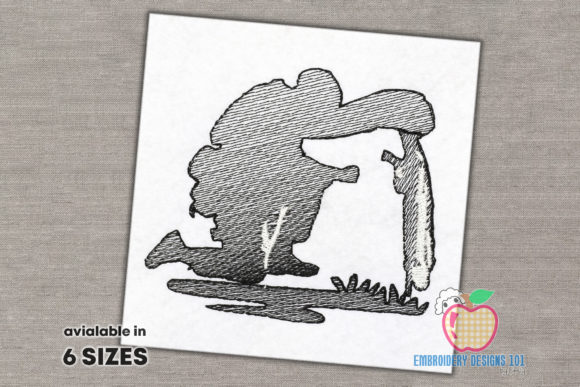
Praying Soldier: An Embroidery Design Worth Stitching?
As an embroidery seller who spends far too many hours scrolling through Creative Fabrica embroidery files, I know the moment a design makes me pause. The Praying Soldier design did exactly that. It’s not just another generic military motif. This is a high-contrast, emotionally charged piece that immediately sparks product ideas for Etsy, craft fairs, and small-batch boutique merchandise. Before I load it onto my machine and start planning listings, I’m walking through every angle—how it looks, who it speaks to, and whether it can actually move from a digital embroidery file to a finished product people will buy.
First Impressions and Visual Personality
Right from the title, Praying Soldier sets a solemn, respectful tone. The product description calls it “a stunning representation of a praying soldier on the battlefield,” and that tells me this is not a cartoony or casual design. It feels classic, bold, and deeply meaningful. I picture a silhouette-style figure with a lowered head, perhaps a rifle grounded beside them, against a subtle backdrop of a cross or soft light. That kind of imagery leans into a rustic, premium, and emotional aesthetic—far from playful or trendy. It’s the sort of embroidery that makes someone stop scrolling on Etsy because it carries weight.
For a craft business, this personality is a double-edged sword. It won’t be for everyone, but for the right buyer, it’s exactly what they’ve been looking for. The design feels masculine yet universally resonant, fitting well into Military and faith-based niches. It could also tap into veterans’ appreciation, memorial themes, and patriotic gifting. I don’t see it as seasonal, though it could spike around Memorial Day, Veterans Day, or Independence Day. Instead, it has year-round value for people who want a wearable reminder of sacrifice and prayer.
Product Ideas That Could Sell
When I evaluate a machine embroidery design, I mentally run through every product surface I’ve ever stitched. Praying Soldier is versatile enough to work on a wide range of items, but some placements will showcase it far better than others. Here’s where my mind goes first.
Apparel That Tells a Story
This design belongs on sweatshirt embroidery and hoodies. Imagine a charcoal or heather gray pullover with the soldier stitched large across the back, or a smaller left-chest placement on a heavy cotton tee. The design will likely pop best on solid, muted fabrics—olive, navy, black, or khaki—so the thread contrast stays crisp. A custom apparel line around this design could include dad caps, beanies, and denim jackets. I’d also test it on a rugged canvas tote bag, where the tote bag design could become a bestseller in a military spouse or support community.
Home Decor and Meaningful Gifts
Pillow covers are a sleeper hit for designs like this. A 16x16 or 18x18 linen-blend pillow with the soldier centered, paired with a simple phrase like “Pray Without Ceasing,” turns a handmade home decor piece into a deeply personal gift. Kitchen towel embroidery might seem like a stretch, but I’ve seen patriotic tea towels sell well for military family kitchens, especially when paired with subtle stars or stripes. The soldier could also become a framed hoop art piece, a printable mockup for digital sellers, or the focal point of a memorial shadow box.
Patches and Small Accessories
If the stitch density and detail hold up at smaller sizes, embroidered patch applications are a smart move. A 3-inch patch on a backpack or tactical vest could appeal to a whole different buyer segment. I’d also consider key fobs, zipper pouches, or even a slim bookmark. The design’s likely high contrast means it could still read well at thumbnail size, which is critical for Etsy listings where that first impression is a tiny image.
The Buyer-Focused Value
When someone buys a product with Praying Soldier on it, they aren’t just buying a sweatshirt or a pillow. They’re buying a symbol. That’s the kind of personalized gift that feels far more expensive than it is. For the Etsy seller, this design elevates a plain blank into something giftable, professional, and memorable. It photographs beautifully because the emotional narrative is already built in. A flat lay of a tote with this design on a wood table, with a worn Bible and a cup of coffee, tells a story without a single word of copy. That’s the kind of product photography that drives organic engagement.
In terms of social media previews, this design is a dream. A short video of the machine stitching the soldier’s outline, set to a reflective soundtrack, can attract a niche audience that values faith, service, and patriotism. The finished product feels more like a keepsake than a commodity, and that perception allows for higher pricing. I’d comfortably price a hoodie with this design at $45–$55, and a framed hoop art piece at $35–$50, depending on the finish. The design’s inherent meaning does the heavy lifting on perceived value.
Practical Seller Notes Before You List
As tempting as it is to jump straight into production, I always run through a checklist before a single listing goes live. With Praying Soldier, there are a few specific things to confirm.
- Stitch-out sample first. No matter how good the preview looks, the real test is on fabric. I’ll stitch it on a cotton twill and a sweatshirt fleece to see how the details hold up. The product description says “it will stitch out perfectly onto any fabric,” but I want to see that with my own eyes, especially on stretchy material.
- Check thread colors. The design will likely come in a limited palette, but I need to know how many thread changes are required. If it’s a single-color silhouette, I can use any shade I want. If it includes shading or multiple values, I’ll map out my thread inventory before starting a batch.
- Evaluate stitch density. A design that’s too dense can pucker fine fabrics or break needles. Too light, and it looks sparse. I’ll look at the stitch count (once I have the file) and adjust my stabilizer accordingly. For wearable items, a medium-weight cutaway stabilizer is usually my go-to, but I’ll test a tear-away for patches.
- Confirm hoop size. The product description doesn’t specify dimensions, so I need to see the actual embroidery file. If it requires a 5x7 hoop or larger, that limits which machines can use it. I’ll list the exact hoop size in my product specs so buyers know what they need.
- Test readability at listing-thumbnail size. On Etsy, the primary photo is small. The soldier’s pose has to be recognizable even at a glance. If the silhouette is too detailed, it might blur into a blob. I’ll photograph a real stitched sample and zoom out to see if the design still reads clearly.
- Review Creative Fabrica licensing. Before I sell any finished product, I always double-check the commercial embroidery terms on the Creative Fabrica product page. The description says “this machine embroidery design comes with multipl”—likely meaning multiple file formats—but I need to know the exact license type. Some designs require a commercial license for physical product sales, and I don’t assume anything until I read it.
File Formats and Machine Compatibility
Since the description mentions “multipl,” I’m guessing the download includes the usual suspects: PES, DST, EXP, JEF, and maybe VP3. But I’ll verify on the product page. Not all machines read all formats, and I’ve had customers ask for specific ones. I’ll note which formats I can provide in my Etsy listings or offer to convert upon request. For digital embroidery file sales, I’d only sell the design if my license allows it, and I’d clearly state that it’s for machine use only.
How This Design Fits a Small Shop Strategy
For a small shop owner, Praying Soldier isn’t a mass-market trend piece. It’s a niche builder. It won’t appeal to everyone, but it will appeal deeply to a specific group. That’s valuable. I’d build a small collection around it: perhaps a matching “Praying Hands” design, a patriotic script, or a “Faith Over Fear” coordinate. By offering a few related items, I can create a boutique feel that encourages multiple purchases.
At craft fairs, this design on a canvas tote or a cap would draw veterans, military families, and faith-based shoppers right to my booth. I’d have a finished sample on display—not just a digital mockup—so people can touch the stitching and feel the quality. A printable mockup could also be used for pre-orders, letting customers choose their item and color before I stitch, which reduces waste.
For Etsy, I’d use keywords like “military embroidery design,” “praying soldier patch,” “veteran gift,” and “patriotic sweatshirt” in my tags and titles. The creative Fabrica embroidery community often shares insights on which designs perform well, and I’d keep an eye on how others in the Military category are styling this one. The design’s emotional pull is its strongest asset, and I’d lean into that in every description.
Final Thoughts from a Seller’s Perspective
I’ve been fooled by flashy previews before, but Praying Soldier feels like a design with real staying power. It’s not cute, not funny, and not seasonal—it’s a classic, respectful, and bold piece of embroidery that can anchor a product line. The key is execution. If the stitch quality is as high as the concept, this design can become a steady seller for anyone willing to pair it with quality blanks and thoughtful photography.
My plan is to grab the file, stitch a test piece this weekend, and photograph it on a neutral hoodie and a structured tote. If it passes the thumbnail test and the stitch-out is clean, I’ll have new listings up within the week. For other Etsy sellers and craft business owners looking for a design that speaks to the heart, Praying Soldier is absolutely worth the test stitch. Just remember to confirm the hoop size, stitch density, thread colors, and commercial embroidery license on the Creative Fabrica product page before you place your first order of blanks.