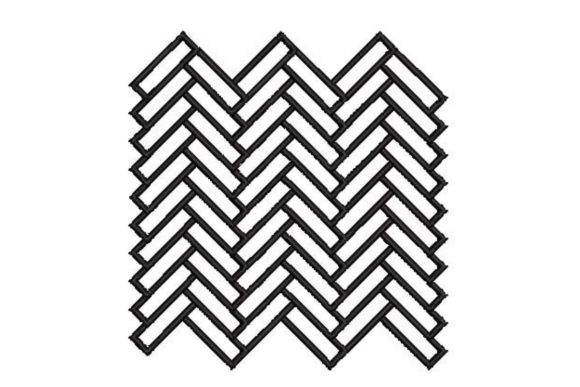
Herringbone Pattern: A Design Review from a Working Studio
When I first opened the Herringbone Pattern embroidery file, my immediate thought was, "This is a foundation piece." It doesn't scream for attention, but rather, it builds it. The perfectly symmetric layout creates a sense of quiet order and reliable craftsmanship. It feels classic, structured, and quietly sophisticated—a visual personality that leans more towards timeless elegance than trendy flash.
The Mood It Creates and Where It Naturally Belongs
This design evokes a mood of refined stability. It’s the kind of pattern you'd find in well-made heirloom items or boutique products where subtle detail is the hallmark of quality. The geometric intricacy speaks to a customer who appreciates understated beauty. For an embroidery project, this naturally belongs on items where the fabric itself is a canvas: premium pillow covers, linen tea towels, structured tote bags, or the cuffs and plackets of a high-quality sweatshirt. I pictured it immediately on a neutral-colored apron for a culinary gift, or as a repeating motif along the border of a nursery blanket, adding texture without overwhelming a baby's room.
A Real Case: Embroidering a Boutique Tote Bag
Let’s walk through a real scenario. I’m preparing a custom embroidered tote bag for a small shop’s merchandise line. The bag is a sturdy canvas. My goal is to add a design that elevates the product’s perceived value, making it feel less generic and more like a thoughtful, handmade product. The Herringbone Pattern comes to mind. Its precise, interlocking lines would stitch out with a satisfying clarity, using satin stitches and fill stitches to create a tactile depth. I imagine it placed centrally, not too large, acting as a signature of craftsmanship. A customer’s reaction? They’d likely notice the careful detail, the symmetry, and associate it with durability and care—positive feelings that translate directly to the product's value and their trust in the brand.
Performance Across Real-Life Embroidery Projects
This machine embroidery design shines on projects where its geometric precision can be fully appreciated. For custom apparel, think of polo shirts or the back of a denim jacket where a textured pattern adds interest without a loud theme. As an embroidered patch, it would be stunning, especially if backed with a contrasting fabric to highlight the intricate cuts. For home accessories like pillow covers or kitchen towels, it provides a designer touch that feels coordinated and intentional, perfect for holiday gifts or wedding gifts that aim for a classic aesthetic.
For the small business owner or Etsy seller, this design is a versatile asset. It can anchor a line of products, providing brand consistency across different items—from tote bags to aprons to blanket edges. In digital product previews and printable mockups for your shop, the clean lines of the herringbone will present professionally, clearly communicating the design intent to potential buyers. It’s equally suitable for personal projects and, with proper licensing confirmation, for commercial embroidery projects sold as finished products.
Where to Exercise a Bit of Caution
Given its intricate nature, there are a few situations where you should proceed carefully. The density of the interlocking lines means stitch density is a key consideration. On very stretchy fabric like lightweight t-shirts, or on curved surfaces like caps, a robust stabilizer strategy is non-negotiable to prevent puckering and maintain the symmetry. On dark fabric backgrounds, thread color contrast is critical; a light thread on dark fabric will make the pattern pop, but you must test to ensure the finer details remain crisp.
I would also avoid very small hoop sizes. Shrinking this pattern down too much might compress the details, making the intricate cuts less distinct and potentially muddying the beautiful clarity it offers. Similarly, on highly textured fabrics like a loose weave, the precision of the lines could be lost. Always test on a scrap of your final fabric first. This is a best practice for any embroidery project, but especially for a design where clarity of form is its primary strength.
Impact on Visual Appeal and Professional Presentation
The Herringbone Pattern directly enhances visual appeal through its ordered complexity. It looks deliberate and skilled. For a handmade product or personalized gift, this increases the perceived care invested in it. For your craft business, using such a clean, well-executed design on your Etsy listings or craft fair products signals professionalism to buyers. It engages them by offering a recognizable, quality pattern they might not find on mass-produced items.
Its giftability is high because it’s not theme-locked; it’s appropriate for many occasions and recipients. The recognition factor is more about the quality of the pattern itself—“that beautiful geometric embroidery”—rather than a specific character or logo. This makes it a reliable design asset for building a cohesive line of small shop products.
Practical Notes from the Hoop
Before loading this embroidery file for a client project or your own merchandise, here are my practical, in-studio notes. First, run a test on your chosen fabric. Inspect the small details and corners to ensure they stitch out cleanly with your chosen thread and stabilizer. Compare how it looks on both light and dark fabric backgrounds; you might need to adjust your thread palette for each. Check the overall stitch density in your test—if it feels overly dense for a thin fabric, you might need to consider a lighter-weight alternative.
Also, test the design in simple black and white mockups for your product listings. This helps you visualize it purely as form, ensuring it works as a strong graphic element. Finally, and this is crucial, confirm the licensing terms of the design file before selling any finished items. Ensure your use, whether for personal gifts or commercial embroidery, is covered. The Herringbone Pattern is a wonderful tool, but using it responsibly protects your business and respects the designer.
In summary, the Herringbone Pattern is a designer’s pattern. It requires a thoughtful approach to fabric, placement, and stabilization to let its strengths shine. When executed well, it elevates a simple piece of cloth into something that feels meticulously crafted, adding undeniable value and a quiet confidence to any embroidery project it graces.