Bees and Butterflies: Embroidery Designer’s Honest Review
First Impressions and Visual Mood
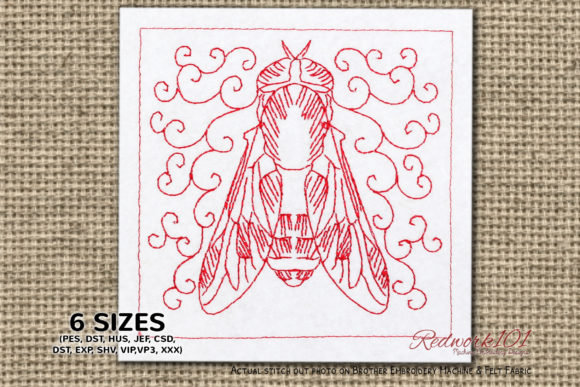
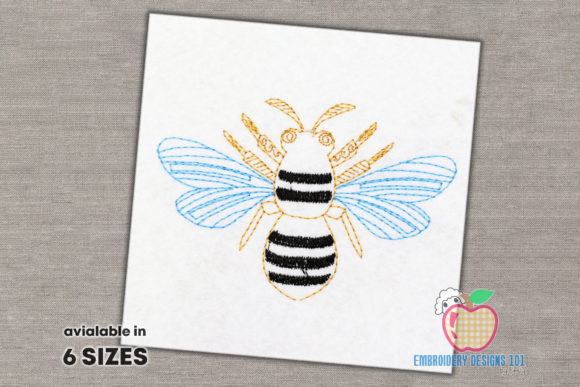
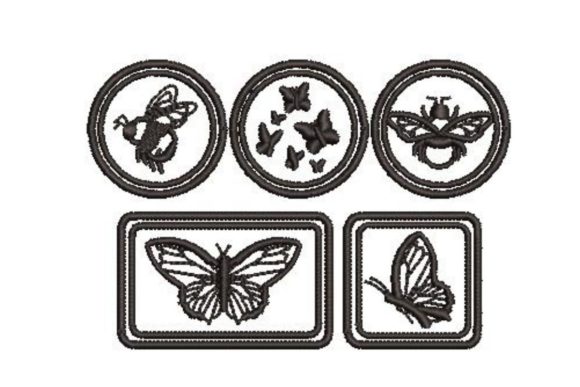
When I first opened the Bees and Butterflies machine embroidery design from Creative Fabrica, the immediate feeling was one of gentle whimsy. The composition balances the delicate flutter of butterfly wings with the grounded, purposeful buzz of bees. This isn’t a loud, cartoonish bug motif. It’s a soft, garden-inspired piece that feels equally at home on a vintage-style apron as it does on a modern baby onesie. The Bees and Butterflies design has a storybook quality, the kind that makes a customer pause and smile. As a designer who sells on Etsy and at local craft fairs, I look for that exact emotional hook. The linework appears intentional, with enough detail to feel complete without becoming so dense that it turns into a stiff patch on fabric. For a Creative Fabrica embroidery file labeled under the Bugs category, this one leans more into charm than realism, and that’s a smart choice for wearable art.
The visual weight of the bees and butterflies is nicely distributed. The wings have a sense of motion, and the antennae and tiny body segments suggest a careful use of satin stitch and fill stitch areas. I noticed right away that this design would pop beautifully on light linen or chambray, but I also started mentally testing how it might read on a dark sweatshirt. The contrast would need to be carefully managed, but the potential is there. The product description promises that it “comes with multiple embroidery file formats,” which is exactly what I need as someone who swaps between different machine brands for different projects. I always confirm file compatibility on the Creative Fabrica product page before downloading, but the fact that multiple formats are included removes a huge barrier for both beginners and pros.
Custom Apparel and Accessories
I kept imagining the Bees and Butterflies design stitched onto a natural cotton tote bag. A tote bag design like this turns a plain canvas into a statement piece that feels curated, not mass-produced. The same goes for a lightweight sweatshirt embroidery project. On the left chest or even as a larger back placement, the design adds a touch of nature that appeals to a wide audience. Because it’s an embroidery file that doesn’t rely on words, it transcends language barriers and trends, making it a smart addition to any custom apparel lineup. I’ve also considered it for a cap, though I’d need to double-check the hoop size and curvature. A curved cap surface can warp delicate wings, so I’d test on scrap first and possibly reduce the design slightly if my machine allows.
Baby items are another obvious fit. A tiny version of this design on a soft bib or a baby blanket corner would be delicate and sweet. The bug theme works perfectly for a nursery that isn’t strictly pink or blue. The Bees and Butterflies embroidery brings a touch of the outdoors without being gendered, which is a huge selling point for handmade shop owners targeting inclusive baby shower gifts. I can already picture a set of three muslin swaddle blankets, each with a single bee or butterfly near the edge, packaged together as a personalized gift set.
Home Decor and Gift Items
Kitchen towels and aprons are my steady sellers, and this design fits the farmhouse-garden aesthetic perfectly. Stitched on a flax linen apron pocket, the Bees and Butterflies motif would feel both rustic and refined. For a pillow cover, it could be the centerpiece or a scattered repeating element. I’d probably use a soft, non-polyester thread to keep the sheen natural and let the fill stitch areas breathe. The design could also work beautifully on a fabric bookmark or a small patch. An embroidered patch version would be a fun add-on for jean jackets or backpacks, assuming I can trim and finish it neatly. The nature of the design makes it easy to incorporate into seasonal handmade gifts for spring markets or Mother’s Day.
Hoop Size and Placement
Before committing to a customer order, I always check the hoop size required. The product page on Creative Fabrica should list the exact dimensions, and I advise everyone to look at that before buying. If the Bees and Butterflies design is larger than 4x4 inches, a small hoop won’t cut it. I’d likely use a 5x7 or larger hoop to give the wings enough breathing room. Placement is everything. For a tote bag, I’d center it slightly below the top edge. For a sweatshirt, I’d position it a few inches down from the collar. The design’s horizontal spread might need careful hooping on narrow items, so I always print a template on paper first and tape it to the garment to confirm the visual balance.
Fabric and Stabilizer Choices
Stretchy fabric like a cotton-spandex blend for a baby onesie demands a cutaway stabilizer and a topper to stop the stitches from sinking. On textured fabric like a linen towel, I’d use a water-soluble topper without fail. The stitch density of the Bees and Butterflies design will determine how much puckering I get. I’ll stitch a sample on a scrap of the same fabric to check. If the satin areas are too dense, they could pull the fabric and distort the wing shapes. Fortunately, from the design preview, the wings look airy, not overly packed. That’s a good sign. Dark fabric with high contrast thread can show every tiny jump stitch, so I’d test a dark navy background and a warm cream thread palette to see if the design holds up. For items that need frequent washing, like a kitchen towel or a baby blanket, I’d make sure the thread is colorfast and the back is clean, with no long loose threads that could snag.
Thread Palette and Contrast
The thread colors I choose will define the mood. A monochromatic honey-gold and black combination gives a classic bee look, while soft pastels turn the butterflies into a dreamy highlight. I don’t rely on automatic color suggestions from the digital embroidery file alone; I manually compare thread charts against the fabric I’m using. The Bees and Butterflies design includes multiple small details, so I’ll check if the tiny lettering or antennae are clearly defined. I’ve learned that if a design has tiny lettering, I need to test it on a stable fabric and possibly slow down the machine speed. The product description doesn’t mention tiny lettering, but I’ll inspect the file closely before stitching. I’d also look at the stitch order: are the wings stitched first, then the bodies? That affects how the thread lays on top and whether any gaps appear.
Commercial Use and Product Value
For an Etsy seller or a small business owner, the Bees and Butterflies design can easily become a staple. It’s the kind of design that, once digitized well, can be used on dozens of handmade product types without feeling repetitive. I’d line up a set of listings: embroidered tote, embroidered sweatshirt, embroidered pillow cover, all using the same core design but styled differently. This consistency builds brand consistency and makes product photography simpler. A printable mockup showing the design on a pristine white towel can help a customer visualize the finished product, but I always post real stitched photos too. That builds trust. The buyer can see the actual texture, the slight sheen of the thread, and the way the design sits on the fabric. That transparency increases buyer trust and reduces returns.
When it comes to commercial embroidery, I need to know what I’m allowed to sell. The Creative Fabrica product page should clearly state if the license permits selling finished items. I always check the license terms before listing anything. The product description says “can be used,” but that’s vague. I’d look for the specific commercial allowance. If it’s a standard commercial license, I can sell items with the design on them, but I can’t resell the file itself. That’s standard and fair. The value of a digital embroidery file like this goes beyond the one-time stitch. It’s an asset that can grow with my shop. The Bees and Butterflies design, being a classic nature theme, won’t go out of style quickly. It also pairs well with other design assets from Creative Fabrica, like floral borders or monogram alphabets, to create new combinations.
Pre-Stitch Checklist and Final Thoughts
Before I commit to a large batch of Bees and Butterflies items, I run through a mental checklist that has saved me countless hoops of ruined fabric. I test on an identical scrap of the final fabric. I check the hoop size and mark the center and orientation. I compare the design’s stitch density on light and dark fabric. I use the right stabilizer and consider a topper for textured or knit fabrics. I inspect the small details, like antennae and wing veins, under a bright light after stitching. I look at the back of the embroidery to see if the tension is balanced and if there are any long thread trims. I also confirm the file details on the Creative Fabrica embroidery product page one more time, making sure I have the correct format for my machine and that the license covers my intended use. The product description says “multiple embroidery file formats,” which is promising, but I always verify the exact list.
Overall, the Bees and Butterflies design gives me a lot of creative confidence. It’s versatile, gentle, and marketable. The bug category might make some people think of creepy crawlies, but this design is firmly in the cottagecore, garden-loving space. It’s a design that can elevate a simple tote bag into a personalized gift or turn a plain sweatshirt into a boutique-quality piece. The decorative appeal is strong, and the stitching personality feels approachable, not overly complex. For anyone running a small embroidery business, a handmade product shop, or just looking for a reliable embroidery file to add to their collection, this one is worth testing. I’d recommend starting with a medium weight cotton or linen, a soft thread palette, and a little patience to get the tension perfect. The result could be a finished product that brings a bit of nature into someone’s daily life, and that’s the heart of why I stitch.