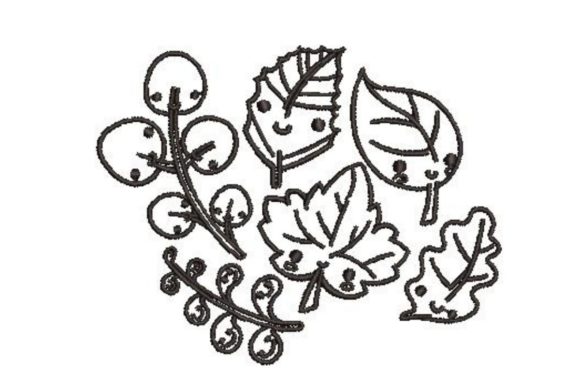
A Closer Look at Leaf Digital Stamps for Embroidery
When a new design lands in my library, my first thought isn’t just about adding it to the collection—it’s about where it will live in the real world. How will it stitch out? What will it feel like on fabric? And most importantly, what kind of story will it tell when it becomes part of a finished product? Leaf Digital Stamps caught my eye immediately, and I’ve spent some time thinking through its practical potential beyond the digital preview.
The First Impression: Cheerful Simplicity
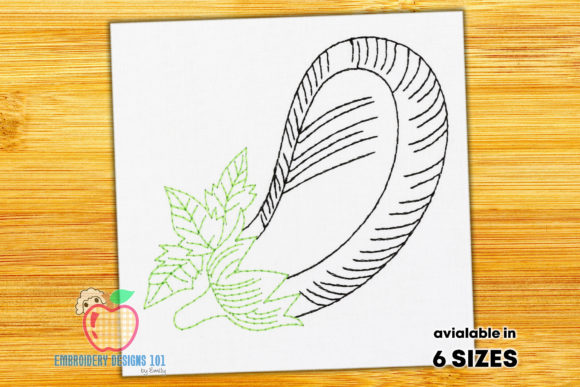
The mood here is undeniably light and cheerful. This bunch of leaves isn’t trying to be a hyper-realistic botanical study; it’s playful and friendly. The shapes have a soft, rounded personality that feels welcoming rather than formal. This is a design that smiles at you. For embroidery designers and makers, that’s a valuable starting point. It tells me this design belongs on projects meant to evoke warmth, comfort, or a simple, happy touch.
Thinking about my own workflow, I immediately pictured it on a custom tote bag for a friend. Not a grand, elaborate piece, but something personal and bright. It also flashed into my mind as a perfect accent on a baby blanket or a child’s sweatshirt—something where that adorable, gentle character would resonate instantly. For small business owners, especially those selling handmade goods on Etsy or at craft fairs, this visual personality is key. It creates an emotional hook for customers browsing your listings.
Where Leaf Digital Stamps Performs Best
Let’s talk real-life applications. This design, with its cohesive bouquet-style grouping, is wonderfully versatile for everyday embroidery projects. I’d confidently use it for:
- Apparel & Accessories: A single, well-placed cluster on a crewneck sweatshirt or a t-shirt creates a modern, minimalist look. On a tote bag or apron, it becomes a charming decorative signature.
- Home & Gift Items: Pillow covers, simple tea towels, or nursery decor items are natural fits. The design’s cheerful tone makes it a strong candidate for holiday gifts or wedding present accents where you want a hint of nature without heaviness.
- Small Business Merchandise: For creative entrepreneurs building a brand around nature-inspired goods, this could serve as a consistent design asset. It works on branded patches, caps for a garden shop, or even as part of a boutique’s kitchen line.
- Personalized Products: Its clarity and shape make it excellent for personalized gifts where you might combine it with a name or date. The layout feels complete on its own but also open to accompaniment.
The value here for apparel decorators and digital product sellers is in its adaptability. It’s a design that doesn’t demand a specific context, which increases its utility as a commercial embroidery asset.
Practical Considerations & Careful Use
No design is perfect for every scenario, and a professional review requires honest assessment. With a design like this, the details and stitch density are the first things I consider on a practical level.
Given it’s described as a “bunch of leaves,” I would pay close attention to smaller, potentially intricate areas. Before running it on a final project, especially for commercial work, my absolute first step is always to stitch it out on scrap fabric. This tells me everything: how clean the satin or fill stitches look, whether any small corners or details might need tweaking, and how the overall stitch density feels on the material I plan to use.
Here are specific situations where I’d proceed with extra caution:
- Very Small Hoop Sizes: If you’re trying to miniaturize this cluster onto a tiny patch or a baby item bib, test thoroughly. Shrinking a bouquet can sometimes compress details.
- Textured or Stretchy Fabrics: On thick sweatshirt fleece or stretchy knit tees, stabilizer choice is paramount to keep those clean shapes looking crisp.
- Dark Fabric Backgrounds: The cheerful mood often relies on lighter, brighter thread colors. On dark fabric, you need to ensure your thread color choices maintain contrast and visibility, perhaps testing a few options first.
- Products for Frequent Washing: For items like kitchen towels or everyday apparel, a robust stitch construction is important. Testing on your scrap fabric and giving it a simulated wash test can prevent customer disappointment later.
These steps aren’t just about troubleshooting; they’re about building customer trust. A clean, durable finished product speaks volumes about your professionalism as a maker or business.
Designer Notes for Real Project Success
Based on my experience, here’s a quick mental checklist I run through before committing a design like Leaf Digital Stamps to a real client project or my own shop merchandise:
- Stitch it out on a scrap of the actual target fabric, not just ideal stabilizer.
- Check thread color contrast against both light and dark background mockups, even digitally, to visualize the final appeal.
- Inspect the small details in the stitched sample. Are they clear and distinct?
- Confirm the hoop size required and ensure it’s compatible with your project’s dimensions.
- Consider the fabric texture. A smooth cotton will present differently than a textured canvas tote.
- Always, always verify the licensing terms of the embroidery file for your use case—whether for personal gifts or commercial sale of finished items. This is a cornerstone for digital product sellers and craft businesses.
This process turns a digital file into a reliable handmade product. It elevates the work from a hobby craft to a sellable, giftable, professional piece.
The Final Stitch: Value Beyond the File
Ultimately, the worth of an embroidery design like Leaf Digital Stamps is measured on the finished product. Its cheerful, adorable nature increases the giftability of items. It makes a personalized baby blanket feel more special, a boutique’s tote bag more distinctive. For the maker, it offers a design that’s straightforward to apply yet carries enough visual personality to stand out.
In a market where customers seek authenticity, a well-executed, thoughtful application of this design can enhance brand consistency for a small shop. It feels handmade yet polished. When I evaluate a design, I’m looking for that balance—something that makes the embroidery process smooth and the end result engaging. From my perspective, this bunch of leaves holds that potential. It’s a design that, with proper testing and thoughtful placement, can add that cheerful touch not just to an embroidery project, but to a customer’s experience.